Loading
Loading
Loading
Crowdfunding · Sustainability
Turning rice-harvest waste into a bio-binder that can replace part of the bitumen in road surfacing.
Independent team
Backers fund the feedstock survey and the first two rounds of lab testing. Every backer receives the full test dataset — including the failures — as a public, citable release, plus the survey data on husk availability across the three partner mills. Backers at ₹2,000 and above are named in the published report. No equity, no product: this stage buys evidence, and the evidence is the deliverable.
Reviewed and locked with the campaign proposal — every pledge, at any amount, receives this.
₹0
raised of ₹2,50,000 goal
Backers
0
Days left
45
Platform fee
6%
Choose your pledge
Amounts are suggestions, not reward levels — every pledge receives the same thing, whatever its size.
Milestone-held funds
Money is released to the team only as pilot milestones are verified.
Refund if goal missed
All-or-nothing — pledges return in full if the goal is not met.
After harvest, farmers burn the residue — rice straw, bran and husk — because the next crop must be sown within about two weeks and burning is the only clearance method fast and cheap enough. It drives seasonal air pollution and strips the soil of organic matter.
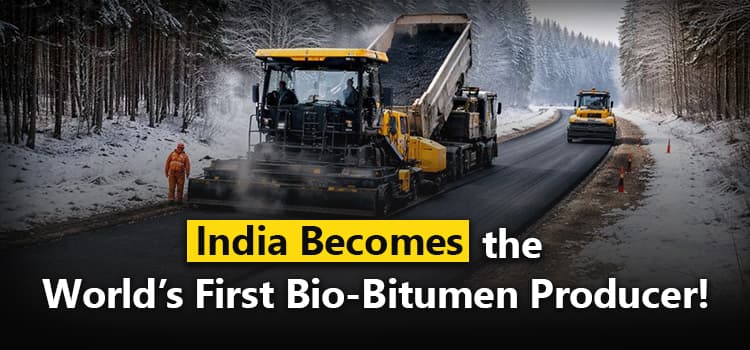
Pyrolyse rice husk into a lignin-rich bio-oil and test it as a partial replacement for petroleum bitumen in road surfacing, targeting 10-20% substitution while holding IS 73 penetration and softening-point limits.


After harvesting, farmers burn waste such as rice bran and husk. This creates air pollution and soil erosion.
The team sees this harvesting waste as a possible input for making bio-bitumen.
At the research and validation stage, the team will first examine whether harvesting waste can be converted into bio-bitumen.


